
Booking and Container Pickup
1. Provide cargo information (product name, volume, weight, HS code) to the freight forwarder to confirm the shipping schedule and available space.
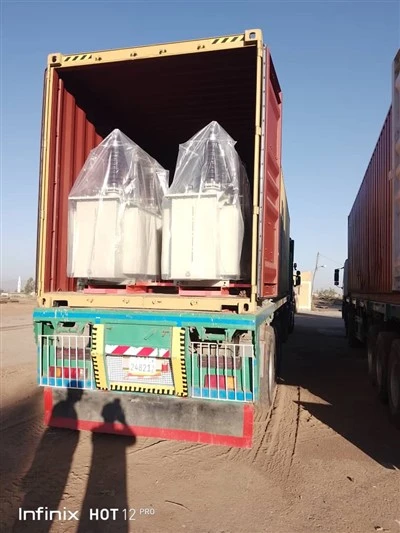
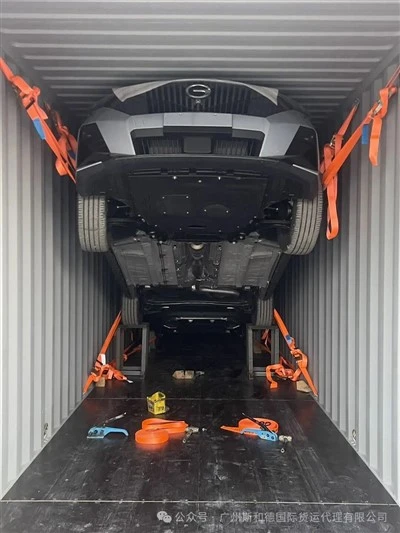
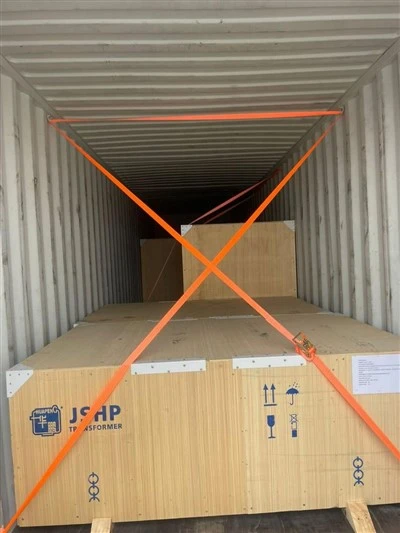
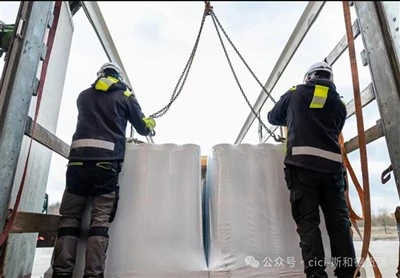
2. After loading at the factory, collect the empty container from the terminal using the bill of lading number.
Customs Declaration and Loading
1. Prepare customs documents: commercial invoice, packing list, certificate of origin, bill of lading, customs clearance authorization, etc.
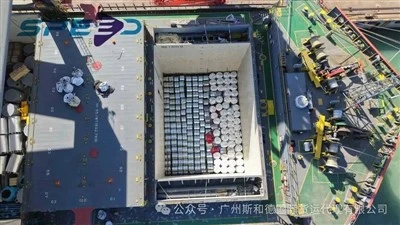
2. After customs inspection and approval, the goods are loaded onto the ship and a bill of lading (B/L) is issued.
Sea Freight and Transshipment
Vessels call at transshipment ports according to the route (e.g., Singapore, Dubai). Transshipment time and costs need to be confirmed.
Destination Port Customs Clearance and Delivery
1. Customs clearance efficiency varies greatly between African ports (e.g., Durban, South Africa is faster, Lagos, Nigeria is slower). It is recommended to entrust a local customs clearance agent to handle the process.
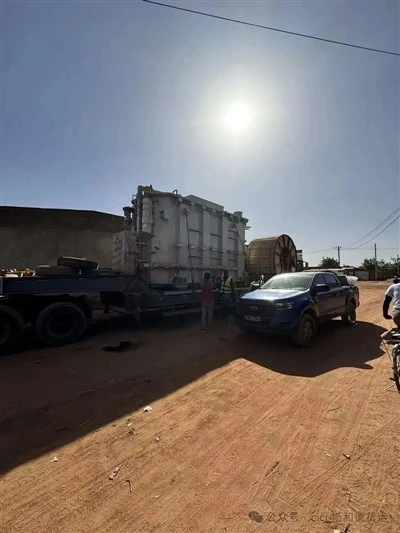
2. After picking up the goods, inland trucking or rail transport to the final destination can be selected.