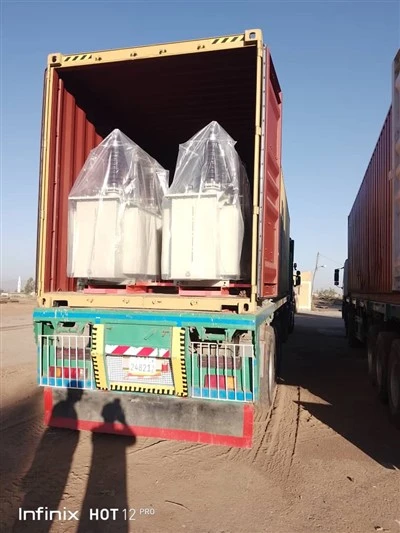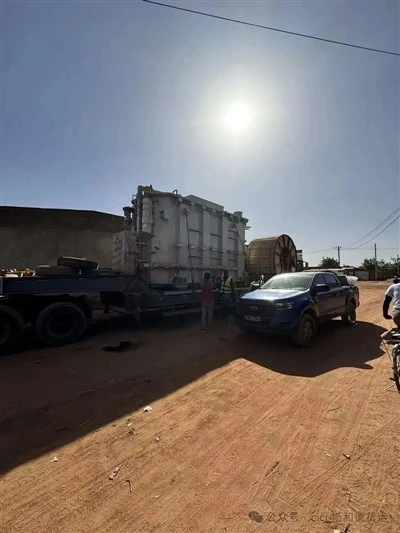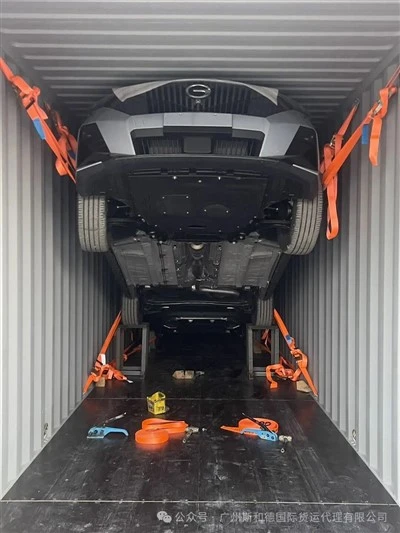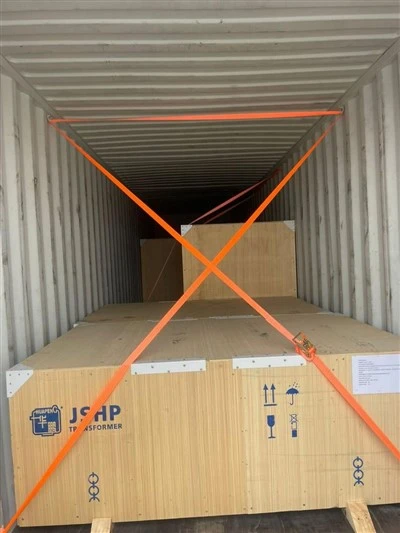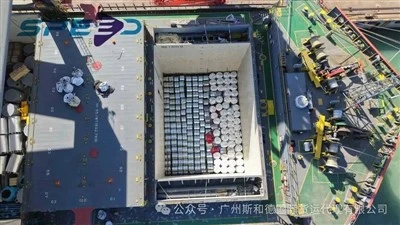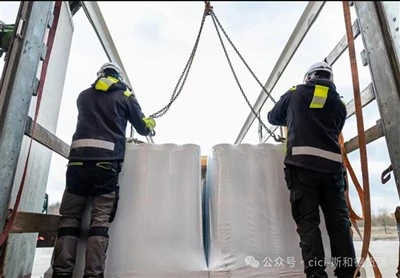

Dedicated sea freight lines are customized logistics solutions designed for specific countries or regions. By integrating transportation, customs clearance, and distribution, they provide efficient and stable transportation services for import and export trade. Their core advantage lies in their "dedicated line" nature-by using fixed routes, schedules, and partner ports, they reduce transshipment links, improve transportation timeliness, and design customs clearance models tailored to the policies of the destination country, reducing the risk of cargo delays. Taking African dedicated sea freight lines as an example, their service area typically covers specific countries (such as Mali) and extends to surrounding regions, forming a regional logistics network.
Taking Mali dedicated sea freight lines as an example, their transportation process encompasses cargo collection at the port of origin, sea freight, customs clearance at the destination port, and last-mile delivery. Ports of origin include core ports in South China such as Guangzhou and Shenzhen, supporting customized transportation solutions for both general cargo and sensitive goods (such as electronic products and cosmetics). The transportation mode adopts a dual "sea freight + air freight" model, flexibly selected according to the urgency of the goods: sea freight is suitable for bulk cargo with lower costs; air freight is used for high-time-demand needs, achieving delivery in as little as 7-10 days. The customs clearance process utilizes a "green clearance" model, simplifying customs documents and shortening clearance time through long-term cooperation with the destination port customs. It also offers "DDP" (Done and Duty Paid) service, which includes destination country customs duties and VAT, eliminating additional costs for clients and reducing trade risks.
Another key feature of this dedicated line is its "weight-based freight model." Unlike traditional ocean freight which is charged by volume, the Mali dedicated line charges based on either the actual weight or volumetric weight (whichever is higher), making it suitable for optimizing the transport of lightweight and bulky goods such as textiles and plastic products. Furthermore, the dedicated line supports both "Less than Container Load" (LCL) and "Full Container Load" (FCL) options: LCL is suitable for small-batch shipments, reducing costs by sharing containers; FCL is suitable for bulk shipments, providing dedicated container space and reducing the risk of damage. Addressing the specific needs of the African market, the dedicated line also offers a "sensitive cargo inquiries" service, providing compliant packaging and transportation solutions for special goods such as liquids and powders to ensure safe arrival.