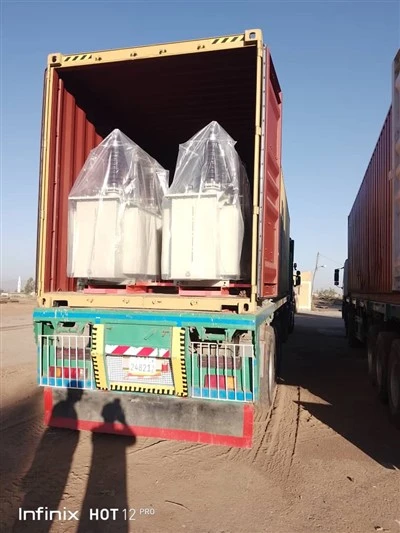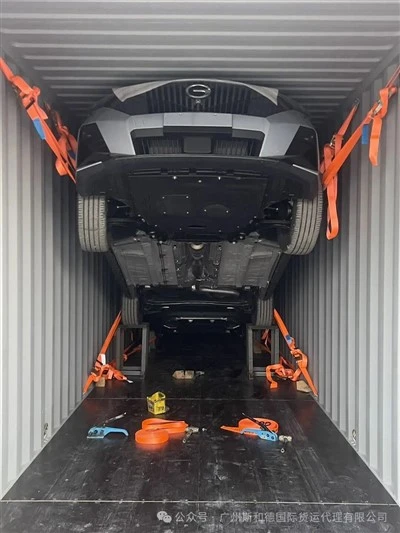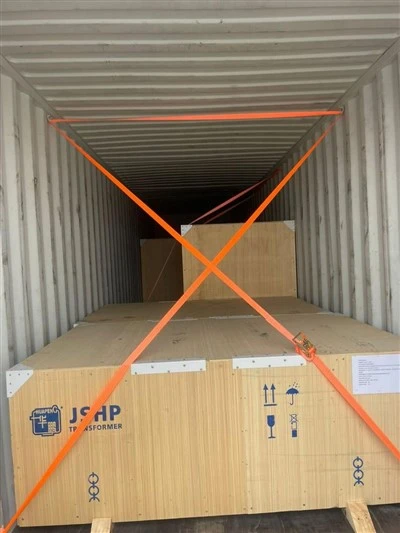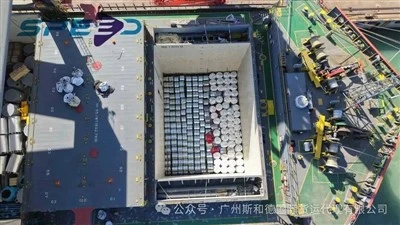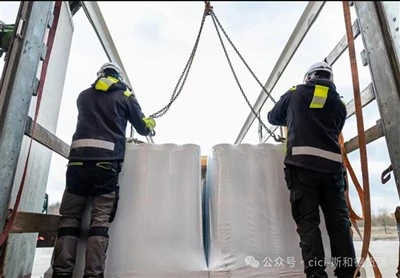

1. Ro-Ro terminals can handle various cargoes at harbors or riverbanks, especially containers and other goods at ordinary wharves lacking pontoon bridges and heavy-duty gantry cranes. Furthermore, the investment required for building a new Ro-Ro terminal is relatively low, generally only 25% of the investment required for a full container terminal.
2. The terminal boasts high loading and unloading efficiency, requires less quay length, and incurs lower loading and unloading costs. Loading and unloading speeds can be up to ten times faster than ordinary dry cargo ships. The delivery of third-generation Ro-Ro ships has proven their even faster loading and unloading speeds, employing the "LUF" system, allowing for a single throughput of up to 400 tons of cargo via ramps.
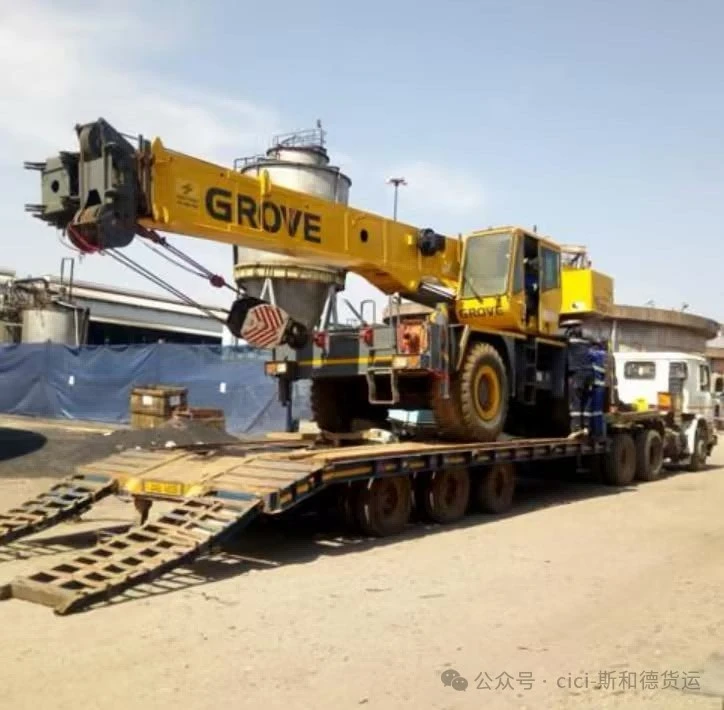
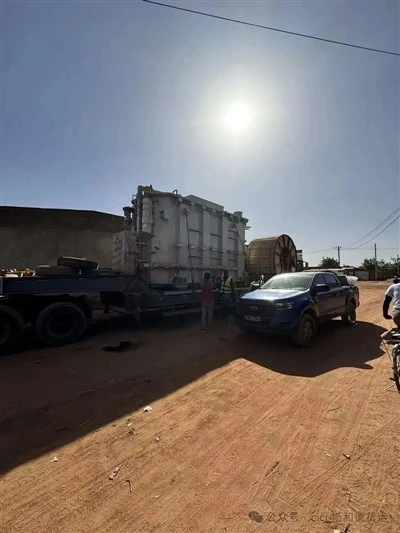
3. Adaptable to the needs of modern industrial development, capable of transporting oversized and heavy-duty items, heavy construction machinery, complete drilling equipment, giant concrete components, chemical equipment, turbine generator sets, nuclear reactors, giant transformers, heavy-duty self-propelled cranes, and other cargo. Even wharves with cranes often lack the lifting capacity to handle these types of cargo (most wharves have a shore-loading capacity of around 30 tons). The problem can only be solved by renting heavy-duty cranes or port crane vessels.
4. Capable of transporting "semi-bulk" non-containerized goods. Some of these goods cannot be containerized, while others do not need to be; for example, large quantities of low-value products or semi-finished products such as timber, forest products, wool, cotton, jute, steel, and metal ingots, transported by vehicles or forklifts. The volume of these goods is very large on certain specific shipping routes.
5. Facilitates door-to-door transport. Due to the characteristics of roll-on/roll-off transport, various vehicles do not need to be transferred between ships and ports, reducing transshipment and loading/unloading links, and saving on dockside storage space. This streamlines the entire transport process, facilitating door-to-door transport, and even multimodal transport (sea, land, and air).
6. Facilitates secondary transport for small and medium-sized ports and collection and distribution services for large ports.
7. Combines peacetime and wartime needs, offering flexibility and mobility.