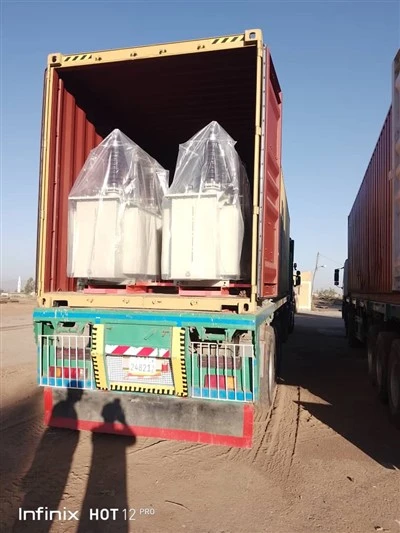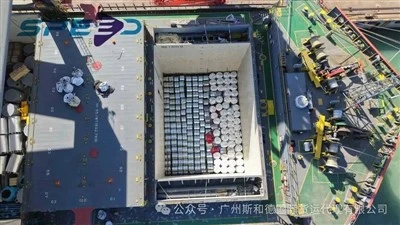

Container Selection Calculation: Based on cargo data (dimensions, weight) and shipping company restrictions (e.g., CMA does not accept cargo exceeding 11.8 meters), select the container type to minimize container usage and avoid overweight.
Confirm the crane capabilities and policies of the loading port, transshipment port, and unloading port.
Quote Comparison and Booking: Provide a detailed cargo list (including unit weight and dimensions), port of origin/destination, estimated shipping date, container type, and quantity.
Compare quotes from multiple shipping companies and select the optimal solution.
Cargo Consolidation and Packing Plan: Determine the consolidation location (factory or yard) and container allocation time.
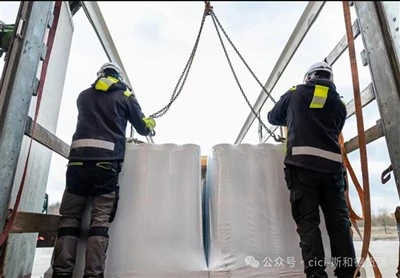
Prepare the necessary machinery, manpower, and lashing materials (e.g., wire rope, tensioners, sleepers, etc.) for packing.
On-site Packing and Lacing: Lifting Points:
Keep the cargo's center of gravity as low as possible, distributing the weight evenly and centrally.
Use sleepers to support unstable points of contact (e.g., cylindrical objects, small contact areas).
Key points for lashing:
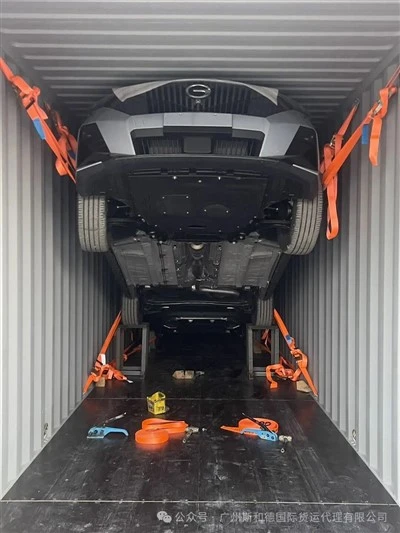
Choose sufficiently thick steel wire rope or lashing straps, ensuring secure fixing points.
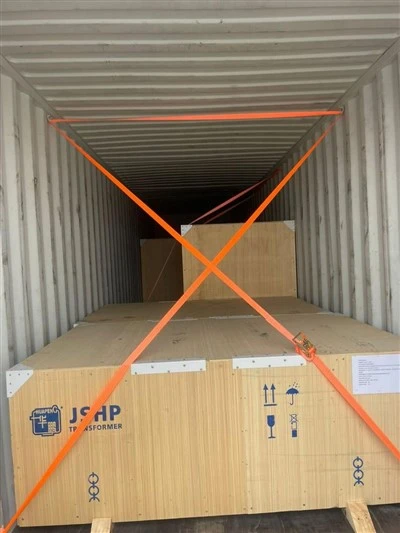
Use crisscross and symmetrical lashing methods, adding padding (such as used tires) to protect the cargo surface.
Use moderate lashing torque, avoiding excessive tightness or looseness.
Inspection and handover: Check the balance, symmetry, and tightness of the lashing to ensure it meets the shipping company's requirements.
Some shipping companies require a lashing inspection report from a professional inspection company before loading.
Export customs declaration and port loading: Prepare a complete set of customs documents (such as invoices, packing lists, bills of lading, etc.), complete customs clearance, and then transport the goods to the port for loading.