
Booking Space and Containers
Booking space and containers is the first step in the full container load (FCL) operation process. Exporters need to reserve space and containers with freight forwarders or shipping companies, and need to prepare the following documents:
Prepare cargo information: including cargo name, quantity, gross weight, volume, port of loading and port of destination, expected loading date; contact information.
This process may require the following documents: Shipping Note, Sales Contract
Container Pickup and Loading
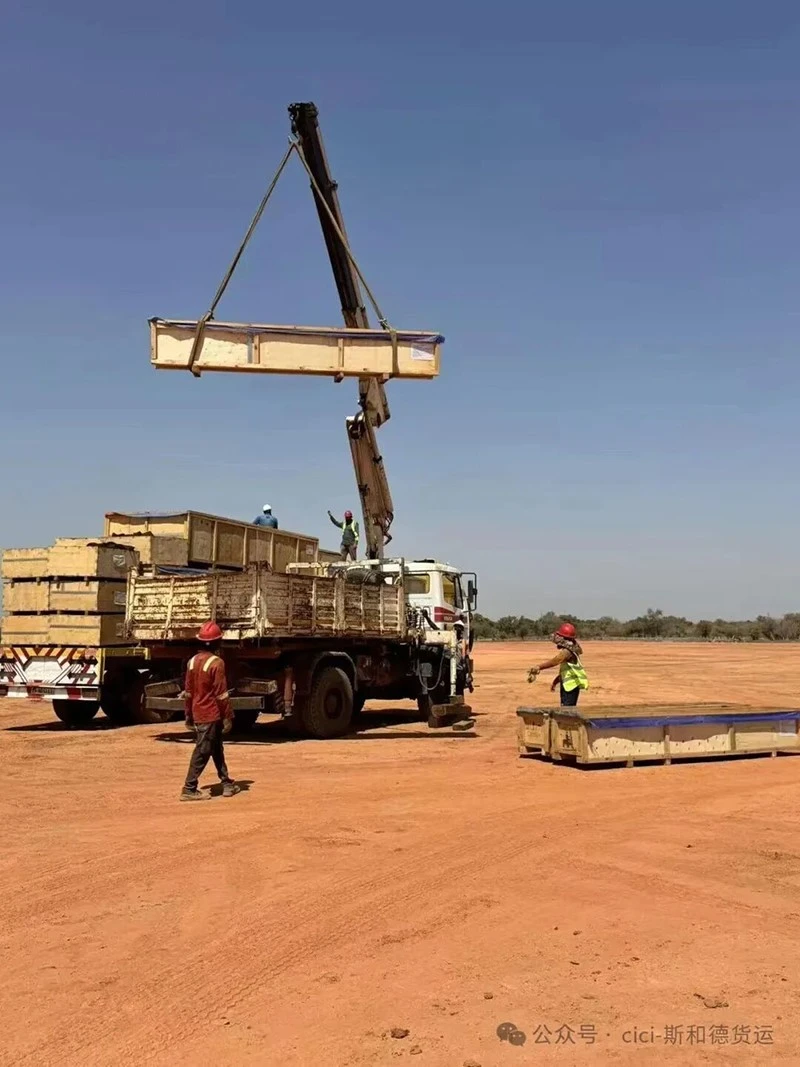
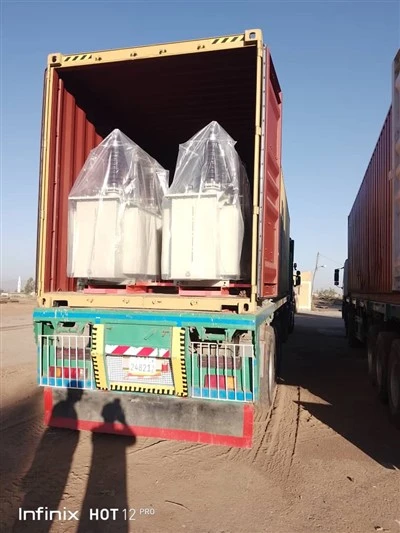
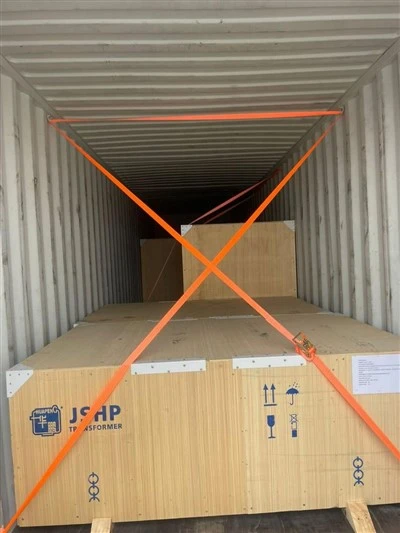
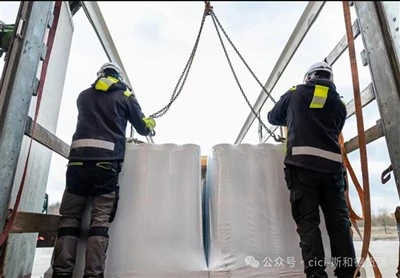
Container pickup and loading is the second step in the FCL operation process. Exporters need to pick up containers from the shipping company or container yard and then load the cargo.
Prepare the following documents: Container dimensions and type, cargo loading requirements, loading location and time.
This process may require the following documents: Shipping company container pickup order or container number, Packing List
Container Loading Inspection and Sealing
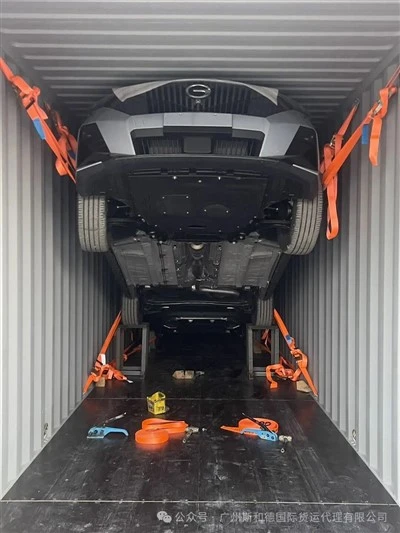
Container loading inspection and sealing is the third step in the FCL operation process. Exporters need to inspect the cargo during the loading process and seal the container after the inspection is passed.
Prepare Documents: Cargo information includes cargo name, quantity, gross weight, and volume; inspection requirements; container sealing requirements.
The following documents may be required during this process: Inspection certificate (if required), packing list.
Prepare Customs Declaration Documents
Before the goods arrive at the port of loading, the exporter needs to prepare a complete set of customs declaration documents.
Customs declaration documents include: Export Goods Declaration Form, Commercial Invoice, Sales Contract, Packing List, Certificate of Origin, Customs Declaration Authorization (if required); other certificates required for specific goods, such as inspection and quarantine certificates, sanitary certificates, etc.
Submit Customs Declaration Documents and Complete Customs Clearance Procedures
After the goods arrive at the port of loading, the exporter needs to submit the customs declaration documents to a customs broker or freight forwarder. The export of goods is declared to customs. If everything goes smoothly, customs will release the goods.
Loading
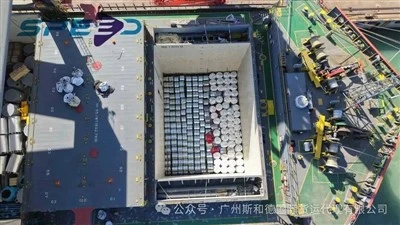
Loading is the fifth step in the full container load (FCL) operation process. Before loading, the container will be transported to the port yard, awaiting the shipping company's arrangement for loading. Document Preparation: Container information includes container number, dimensions, type, shipping schedule and vessel name, and bill of lading information.
The following documents may be required during this process: Bill of Lading (B/L), shipping company, and Loading Order (S/O).
Ocean Freight
Ocean freight is the sixth step in the full container load (FCL) operation. The container will sail with the vessel on the designated route to the destination port.
Document Preparation: Shipping schedule and vessel name, estimated arrival date. The following documents may be required or generated during this process: Bill of Lading (B/L), shipping company, and Loading Order (S/O).
The following documents may be required during this process: Bill of Lading (B/L), shipping company, and Loading Order (S/O).
Arrival Customs Clearance and Cargo Collection
Arrival customs clearance and cargo collection is the seventh step in the FCL operation. At the destination port, the importer needs to complete customs clearance procedures and collect the container.
Required documents: Importer information, customs declaration documents, Bill of Lading (B/L)
The following documents may be required during this process: Import declaration form, Bill of Lading (B/L), Commercial invoice, Sales contract, Import license (if required), and other supporting documents (such as certificate of origin).