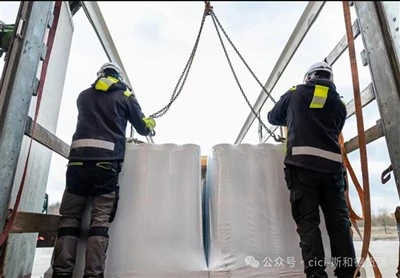

Bulk cargo shipping agency is a common logistics service in international trade, primarily targeting the transportation needs of non-containerized bulk or general cargo. This type of service integrates shipping schedules, port resources, and transport terms to provide door-to-door solutions for bulk cargo from the port of origin to the port of destination. Its core value lies in solving key issues in bulk cargo transportation, such as vessel compatibility, loading and unloading efficiency, and cost control.
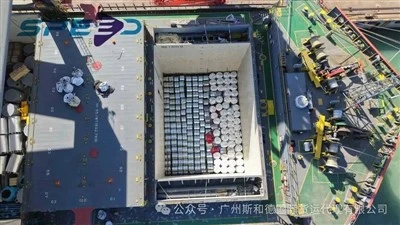
Technical Principles and Transportation Process: Bulk cargo transportation relies on dedicated bulk carriers or general cargo ships. These vessels are typically equipped with open cargo holds or decks, capable of accommodating non-standardized cargo such as ores, steel, and equipment. The transportation process includes three core steps: First, the agent matches a seaworthy vessel based on the cargo characteristics (such as weight, volume, and hazard); second, coordinates the loading plan at the port of origin to ensure the cargo is secured within the specified loading period; and finally, transports the cargo to the port of destination by sea and assists with customs clearance and distribution. Taking the Tianjin-Genoa, Italy route as an example, after the vessel departs from the new port, it arrives approximately 30 days later via the China-Western Mediterranean route. The entire journey uses FILO (Free In/Liner Out) terms, meaning the shipper is responsible for loading and the shipping company is responsible for unloading.
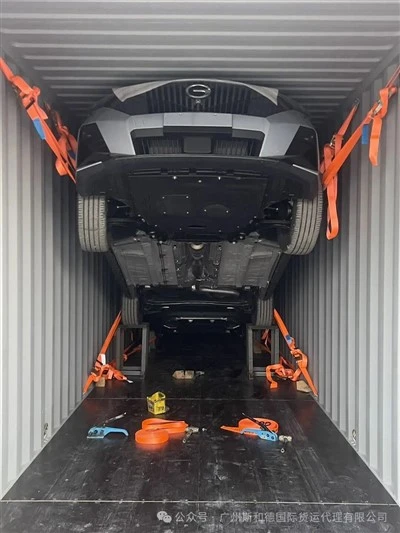
Operational Standards and Key Parameters: Bulk cargo forwarding services must strictly adhere to industry standards. During the cargo receiving stage, it must be confirmed that the cargo does not fall under the category of dangerous goods and meets the minimum transport volume requirement (usually 30 chargeable tons). The shipping schedule must be locked in 15 days before loading to avoid delays due to limited space. Regarding the choice of transport vehicles, bulk carriers and general cargo ships have different suitable scenarios: the former is suitable for bulk cargoes such as ore and coal, while the latter is used for general cargo such as machinery and vehicles. The service coverage includes major ports nationwide, but it should be noted that differences in facilities between different ports may affect loading and unloading efficiency. For example, Jing Tang Port and Tianjin Port differ in their large equipment lifting capabilities; the appropriate port of origin must be selected based on the cargo size.
Service Advantages and Technical Support: Accumulated experience is one of the core competitive advantages of bulk cargo forwarding. Over 10 years of industry experience means that the agent is familiar with the seasonal changes of major global shipping routes, port congestion patterns, and contingency response strategies. First-generation shipowner qualifications ensure that the agent can directly obtain space allocation rights, reducing costs associated with intermediaries. Taking the China-Western Mediterranean route as an example, agents operating this route long-term can optimize vessel loading, connecting cargo from Genoa, Italy, with surrounding Mediterranean ports, reducing per-shipment transportation costs. Furthermore, a nationwide service network enables agents to coordinate inland transportation, achieving end-to-end logistics services.
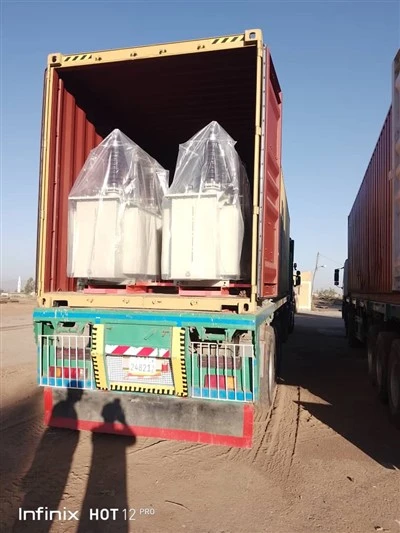
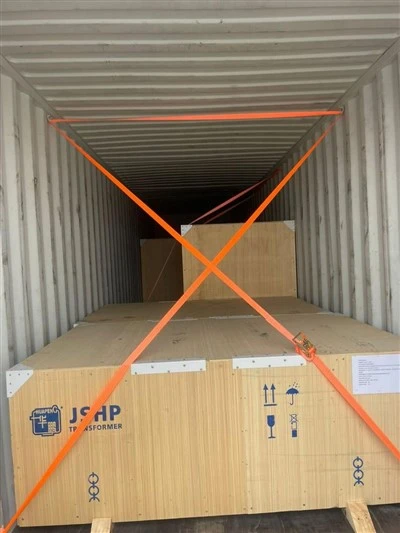
Applicable Scenarios and Selection Criteria: Bulk cargo forwarding primarily serves three scenarios: first, the transportation of oversized cargo, such as wind power equipment and engineering vehicles that cannot fit into standard containers; second, bulk raw material trade, such as ores and fertilizers requiring bulk transportation; and third, project logistics, such as factory relocation and the export of complete sets of equipment requiring customized transportation solutions. When selecting an agent, it is essential to focus on their route coverage, schedule stability, and emergency response mechanisms. For example, for shipments to the Italian market, it is necessary to confirm whether the agent is familiar with the special requirements of the Port of Genoa, such as tidal restrictions and pilotage rules, to avoid demurrage charges due to operational violations.