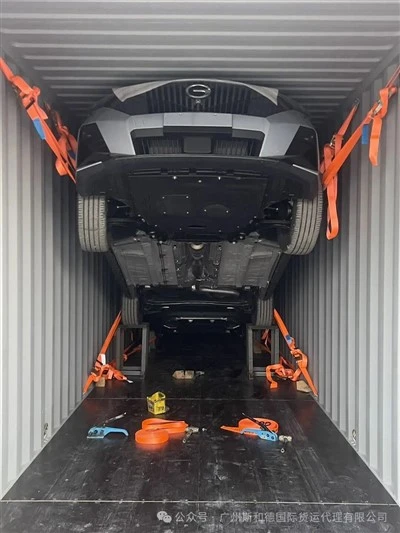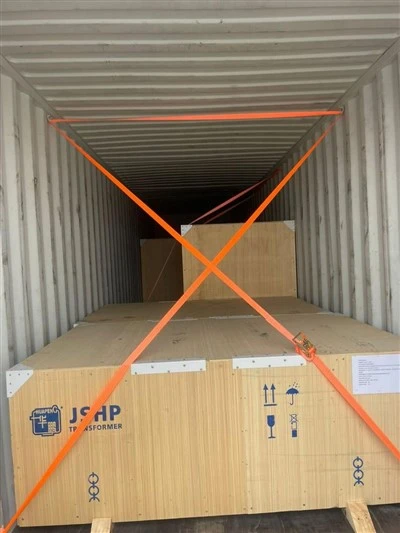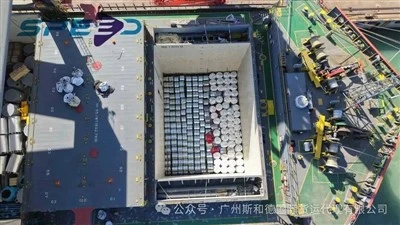

Bulk Cargo Operation Procedures
Inquiry: You need to provide detailed cargo name (preferably in both Chinese and English), cargo dimensions and weight (pictures are recommended for oversized cargo), port of loading and port of destination, target price (preferably an expected price), cargo readiness time or required shipping schedule.
Quotation: Bulk cargo quotations mainly have three terms:
FIT (Liner Terms): The shipowner is responsible for loading and unloading. If heavy cargo cannot be handled by shore cranes or ship cranes and requires joint lifting, the shipowner will also quote crane fees. Mainly applicable to machinery, equipment, vehicles, etc.
FIO (Fixed Income, Loan): The shipowner is not responsible for loading and unloading; loading and unloading fees are calculated separately. Generally applicable to bulk bulk cargoes such as cement, fertilizer, and ore. Port loading and unloading rates need to be provided.
FILO (Fixed Income, Loan): The shipowner is not responsible for unloading but is responsible for loading. Mainly applicable to steel.
Quotation Composition: O/F (USD/chargeable ton) + port charges + customs declaration, inspection, and booking fees. O/F is calculated based on chargeable tons (CBM/TON, whichever is greater).
Contract Signing and Booking: After confirming the price and shipping schedule, a contract is signed, and booking begins. Note that shipping on general cargo vessels differs from container shipping; once a booking contract is signed, it cannot be cancelled, otherwise, a high demurrage fee will be charged to the shipping company.
Delivery: After the contract is signed, the shipping company will provide a cargo manifest, indicating the delivery arrival time and location. The customer delivers the goods according to the agreement; simultaneously, the shipping company will also provide a booking confirmation, similar to a booking receipt.
Arrival and Loading: Normally, the ship's berthing time is within a certain range. After the ship arrives at anchor, it needs to wait for the port authority to notify it of the berthing time. Only after receiving accurate notification is the ship officially considered to have berthed. Generally, the ship will stay in port for three to four days because the entire cargo loading process is based on the pre-arranged booking; bottom cargo is loaded first, and deck cargo is loaded last.
Payment: Two to three days after the ship leaves port, the official invoice will be issued. At this time, payment should be requested, and the invoice will be released after the payment is received.
Tip: For cranes in Africa and South America, the capacity is below 30 tons; cranes exceeding 30 tons require parallel lifting.