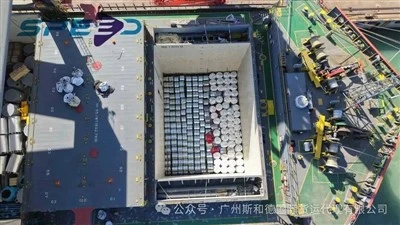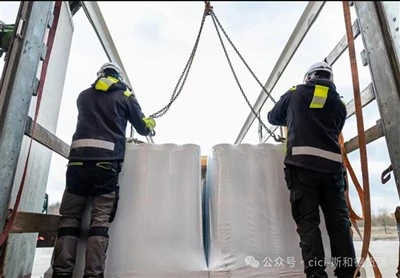

In the bulk cargo transportation industry (such as the transportation of unpackaged or bulk cargoes like coal, ore, grain, and steel), maintaining a good cooperative relationship with ports is one of the core elements for ensuring transportation efficiency, controlling costs, and reducing risks. This need stems from the unique characteristics of bulk cargo transportation (large cargo volume, complex loading and unloading, and high dependence on port resources) and its deep connection to the port's crucial hub role in the supply chain (connecting sea and land transportation and providing core operational services). This can be analyzed from the following five core dimensions:
Prioritizing access to core port resources to avoid "queueing and delays"
The efficiency bottleneck in bulk cargo transportation often lies not in sea voyages, but in the waiting time for loading and unloading operations at ports. Terminal core resources (such as dedicated berths, loading and unloading equipment, and storage areas) are scarce and must be prioritized for clients with long-term partnerships or close relationships. Weak relationships with the terminal can easily lead to passive waiting, directly impacting transportation cycles:
Priority Berth Berthing: Bulk cargo ships (such as Panamax and Capesize vessels) are large and deep-draft, requiring dedicated bulk cargo berths (such as coal and ore berths). Good relationships with the terminal allow for advance booking of berths, avoiding long waiting times at anchor (potentially several days or even a week in extreme cases), and reducing demurrage fees (bulk cargo demurrage fees are typically calculated daily, reaching tens of thousands of US dollars per day).
Priority Loading and Unloading Equipment Scheduling: Bulk cargo loading and unloading relies on specialized equipment (such as gantry cranes, grabs, belt conveyors, and stackers). Different cargoes require different equipment (e.g., grain requires leak-proof belt conveyors, while steel requires high-capacity gantry cranes). When relationships with the terminal are close, suitable equipment can be prioritized for dispatch, avoiding situations where "ships wait for equipment" due to equipment being occupied, and shortening the loading and unloading time per ship (for example, a high-efficiency grab bucket can increase ore loading and unloading efficiency by 30%, directly reducing the time ships spend in port).
Priority allocation of storage space: Bulk cargo often needs to be temporarily stored at the terminal (such as grain arriving at the port awaiting land transport, or ore awaiting pickup by steel mills). Terminal storage space (especially "dedicated storage areas," such as moisture-proof grain silos and pollution-proof ore yards) is limited. Poor relationships with the terminal may result in being assigned to remote, inconvenient storage areas, or even being unable to unload cargo due to a lack of storage space, forcing ships to remain in port.
Reduce Operating Costs and Control "Hidden Expenses"
The cost of bulk cargo transportation includes not only freight but also terminal-related loading and unloading fees, storage fees, demurrage fees, and special operation fees. The relationship with the terminal directly affects the level of these fees:
Greater Negotiation Room: For shippers or freight forwarders with long-term, stable relationships, terminals are usually willing to offer more favorable "agreement prices" (such as a 5%-15% reduction in loading and unloading fees and exemption of the first free period for storage fees). Conversely, clients with temporary cooperation or weak relationships may only be able to pay at the "market price," especially during peak seasons (such as the grain harvest season and peak steel transportation season), where the market price may be more than 20% higher than the agreed price.
Reduce "Hidden Charges" or Disputes: Additional costs may arise during the loading and unloading of bulk cargo (such as overweight fees for cargo exceeding the tonnage limit, impurity removal fees, and expedited operation fees for night/holidays). If you have a good relationship with the terminal, you can communicate in advance to clarify the charging standards, avoiding unreasonable fees charged by the terminal under the guise of "compliance." Even if disputes arise, they can be resolved efficiently through negotiation, avoiding cargo delays and additional storage or demurrage charges.
Reduce demurrage risk: In bulk cargo transportation, demurrage is one of the largest hidden costs (if loading and unloading cannot be completed in a timely manner after the vessel arrives at the port, daily demurrage charges can exceed US$10,000). With a good relationship with the terminal, you can reduce the risk of demurrage by coordinating work plans in advance and urgently dispatching resources; even if occasional demurrage occurs, you may be able to negotiate partial reductions to minimize losses.
Addressing Unexpected Issues and Ensuring Transportation Stability
Bulk cargo transportation is highly susceptible to factors such as cargo characteristics, weather, and policies, making it prone to unforeseen circumstances (e.g., cargo becoming damp, equipment malfunctions, policy inspections). The port is the "first line of defense" for resolving these issues, and a good relationship can significantly improve emergency response efficiency:
Rapid Handling of Cargo Abnormalities: Bulk cargo (such as grain and coal) is easily affected by weather (e.g., dampness from rain, dust storms) or suffers damage during loading and unloading (e.g., spillage, contamination). With a good relationship with the port, the port will prioritize remedial measures (e.g., emergency tarpaulin covering, arranging for impurity removal, assisting with cargo re-inspection) to prevent cargo loss or delayed delivery (e.g., if damp grain is not treated promptly, it may mold and spoil, leading to the loss of the entire shipment).
Equipment Malfunction Emergency Coordination: If port loading and unloading equipment (e.g., grab buckets, conveyor belts) malfunctions, customers with good relationships can obtain priority access to the port's "emergency resources" (e.g., allocating spare equipment, coordinating with other berths to share equipment), shortening waiting time; while customers with weak relationships may have to wait a long time for repairs, causing vessel congestion.
Efficient Policy Inspection Coordination: Bulk cargo (especially imported ores and grains) may face surprise inspections by customs and commodity inspection departments (such as quality testing and weight verification). As the "execution site" for these inspections, a good relationship with the port can help prepare inspection documents in advance and coordinate inspection times, avoiding cargo delays due to lengthy inspection procedures (e.g., delayed inspections of imported ores may cause missed steel mill production plans, leading to customer defaults).
Obtaining Industry Information and Proactive Risk Mitigation
As a hub for sea and land transportation, the port can obtain key information such as industry policies, market supply and demand, and port planning in a timely manner. Maintaining a good relationship with the port allows for advance access to this information, providing a basis for transportation decisions:
Early Warning of Policy Changes: Bulk cargo transportation is greatly affected by policies (e.g., environmental policies restricting coal transportation, customs adjustments to imported ores quarantine requirements, and port operation time controls). As the "front end" of policy implementation, the terminal will be aware of relevant changes in advance (such as local government requirements for reducing nighttime bulk cargo operations). Clients with good relationships can adjust their transportation plans in advance (such as changing arrival times or routes) to avoid losses due to sudden policy changes (e.g., failure to be aware of nighttime operation restrictions could result in ships being unable to unload upon arrival, incurring high demurrage fees).
Market supply and demand information sharing: The terminal can monitor the "inbound and outbound volume" of bulk cargo in real time (e.g., high ore arrivals or strong grain export demand during a certain period). It can inform clients of market changes in advance (e.g., "Ore storage is currently saturated; we recommend delaying shipments," or "The peak season for grain exports is approaching; we recommend booking in advance"), helping clients optimize their transportation schedules and avoid "supply-demand mismatches" (e.g., no storage space upon arrival, or inability to book berths during peak season).
Understanding Terminal Planning in Advance: If a terminal has plans for expansion, berth renovation, or equipment upgrades (such as adding grain silos or improving ore loading and unloading efficiency), clients with good relationships can be informed in advance, allowing them to adjust their long-term transportation plans (such as pre-planning vessels suitable for the new berths and optimizing cargo transportation routes) and seize market opportunities.
Long-Term Cooperation and Win-Win, Establishing a Stable Supply Chain
The core demand for bulk cargo transportation is "long-term stability" (e.g., steel mills need long-term ore imports, power plants need long-term coal transportation), not single transactions. Establishing a long-term, good relationship with the terminal is essentially building a "stable supply chain cooperation system":
For transporters (shippers/freight forwarders): They can obtain long-term, stable terminal services (priority berths, preferential prices, efficient emergency response), ensuring a continuous supply of goods and avoiding transportation interruptions due to fluctuations in terminal resources (e.g., if a steel mill has a stable relationship with an ore terminal, it can ensure a daily ore supply and avoid production line shutdowns).
For the terminal: It also obtains a long-term, stable source of cargo (bulk cargo terminals rely on continuous cargo throughput to maintain operations), reducing empty berth rates and increasing revenue. This "mutually dependent" cooperative relationship fosters a long-term win-win situation, rather than a short-term "one-off deal."
In summary: The essence of the relationship is the "binding of resources and efficiency."
The core pain point of bulk cargo transportation is the contradiction between "strong dependence on terminal resources" and "the scarcity of terminal resources." Building good relationships with terminals essentially involves "long-term cooperation and trust building" to prioritize access to core terminal resources such as berths, equipment, and storage, thereby reducing costs, improving efficiency, mitigating risks, and ultimately achieving stability and a win-win situation for the transportation chain. For the bulk cargo industry, "terminal relationships" are not an "extra advantage," but a "basic necessity" ensuring the normal operation of transportation services.